Reviewing the Bunny Babe Design for Easter Embroidery
As a designer who spends more time staring at stitch simulations than I do sleeping, I have learned that not every cute graphic translates well to thread. We see thousands of Bunny Babe Svg and Bunny Babe Png files flood the market every spring, but only a handful are truly ready for the rigors of a commercial embroidery machine. When I first pulled up this specific Easter themed asset, my initial reaction was cautious optimism. The lines looked clean, and the silhouette had that playful, rounded aesthetic that customers love for seasonal gifts. But looking good on a screen is very different from looking good on a textured cotton towel or a stretchy baby onesie.
First Impressions and Visual Personality
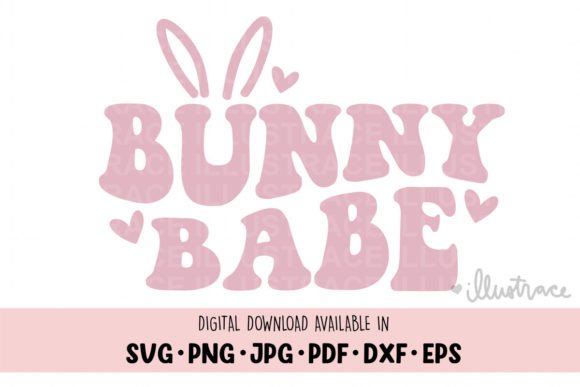
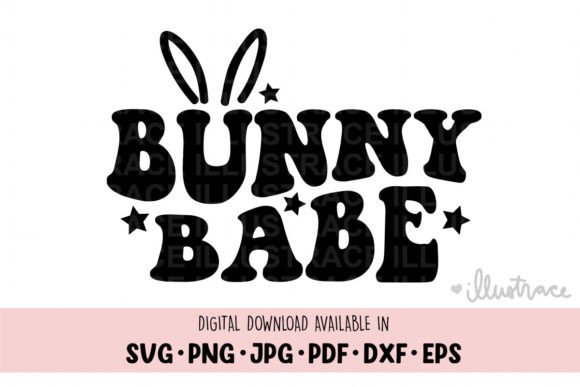
The mood of this design is undeniably cheerful. It captures that soft, whimsical energy associated with spring and new beginnings. For those of us running a craft business, visual personality is half the battle. You need a design that stops the scroll on social media and invites a closer look. This particular bunny motif achieves that through its balanced proportions. It is not overly complex, which is a blessing for production speed, yet it has enough character to stand alone as a focal point.
When evaluating Graphics for conversion into a machine embroidery design, I always look at the negative space. In this case, the spacing between the ears and the facial features suggests that the digitizer considered how thread builds up. However, because this is often sold as a digital download for various uses, including sublimation, we must assume the embroidery file needs careful checking. The "Bunny Babe" typography, if included in your specific version, needs to be scrutinized for legibility at smaller sizes. Thin serifs or tight kerning can disappear under a satin stitch or become a tangled mess if the stitch density is too high.
Real-World Application: The Custom Tote Bag Test
To truly understand the value of an embroidery file, you have to put it to work. I recently used a similar bunny concept for a batch of custom tote bags for a local boutique’s spring collection. This is where the rubber meets the road. I chose a medium-weight canvas for the project. Canvas is forgiving, but it shows every imperfection in tension and registration.
Stitching out the Bunny Babe Svg concept on this fabric revealed a few critical insights. First, the outer contours benefited greatly from a wider satin stitch border. This framed the inner details and gave the design a finished, professional look rather than appearing like a raw sketch. For a tote bag design, durability is key. I opted for a higher density fill stitch in the body of the bunny to ensure it wouldn't snag easily during daily use. The result was a plush, tactile image that customers immediately wanted to touch. That tactile engagement is crucial for handmade product sales; it adds perceived value.
If you are an Etsy seller or small shop owner, consider how this design performs on different items. It works beautifully on sweatshirt embroidery, provided you use a cut-away stabilizer to prevent the fabric from puckering under the weight of the threads. For baby embroidery projects, such as bibs or onesies, you must reduce the density significantly. Babies have sensitive skin, and a dense, stiff patch of thread can be irritating. In these cases, testing a lighter running stitch outline or a sparse fill might be necessary to maintain comfort without sacrificing the cute aesthetic.
Navigating Fabric Challenges and Hoop Sizes
One of the biggest mistakes makers make is assuming one size fits all. This Easter svg design needs to be scaled appropriately for the hoop size you are using. If you are working with a 4x4 hoop, you may need to simplify the design or remove intricate internal details to prevent thread breaks. On the other hand, a 5x7 or 6x10 hoop allows you to let the design breathe, showcasing the nuances of the bunny’s expression.
Fabric texture plays a massive role here. On fluffy towels or fleece, small details get lost. I recommend using a topping stabilizer when stitching this design on textured fabrics. This keeps the stitches sitting on top of the pile rather than sinking in, ensuring the Bunny Babe Png aesthetic remains crisp. Conversely, on thin, stretchy fabrics like jersey knits, you must be vigilant about stabilization. A poor choice of stabilizer can lead to distortion, turning your cute bunny into a warped abstract shape. Always test on scrap fabric first. It saves time, money, and embarrassment when delivering to a client.
Dark fabrics present another challenge. If you are stitching a light-colored bunny on a navy or black garment, you need to plan your underlay stitches carefully. A heavy tatami underlay can help cover the dark fabric, preventing it from peeking through the top threads. This attention to detail separates amateur finished product outcomes from professional commercial embroidery standards.
Commercial Viability and Brand Consistency
For those using this as a digital sublimation download or converting it for embroidery, understanding licensing is paramount. Before selling any custom apparel or personalized gift items featuring this design, confirm the license terms. Many designers offer personal use only, while others allow commercial use with attribution or a fee. Violating these terms can shut down your small business overnight. Assuming you have the rights, this design fits well into a broader spring collection. It pairs nicely with floral elements or pastel color palettes, helping to create a cohesive brand identity for your shop.
The versatility of this Crafts oriented graphic extends beyond clothing. Think about embroidered patch production. Patches are trending, and a clean bunny design sells well as an iron-on accessory. Here, you can use a heavier tear-away stabilizer and trim close to the edge for a clean finish. It also works for home decor, such as pillow covers or kitchen towels. For holiday-specific items, this design serves as a strong anchor for holiday embroidery collections, appealing to buyers looking for festive yet subtle decor.
Practical Designer Notes for Best Results
To get the most out of this design assets package, keep these practical tips in mind:
- Test Stitch Density: Always run a test piece. Check if the fabric puckers. If it does, reduce the density or change your stabilizer.
- Check Thread Contrast: Use high-contrast thread colors for the first test to see registration issues clearly, then switch to your final palette.
- Inspect Small Details: Zoom in on the digital file. Are there tiny jumps or unnecessary trims? Clean up the file if your software allows.
- Mockup in Black and White: This helps you see the shape and balance without being distracted by color. If it looks good in monochrome, it will look great in color.
- Verify File Formats: Ensure you have the correct format for your machine (PES, DST, JEF, etc.). Conversion can sometimes alter stitch paths.
- Consider the End User: Will this item be washed frequently? If so, secure your threads well and consider a poly-thread for durability.
In conclusion, the Bunny Babe Svg, Bunny Babe Png, Easter design offers a solid foundation for spring projects. It is charming, versatile, and commercially viable if handled with technical precision. By respecting the limitations of your materials and machine, you can transform this simple graphic into a high-value small shop product that delights customers and enhances your reputation as a skilled maker. Whether you are creating a single personalized gift or a hundred units for a craft fair, the key lies in the preparation and the careful execution of each stitch.