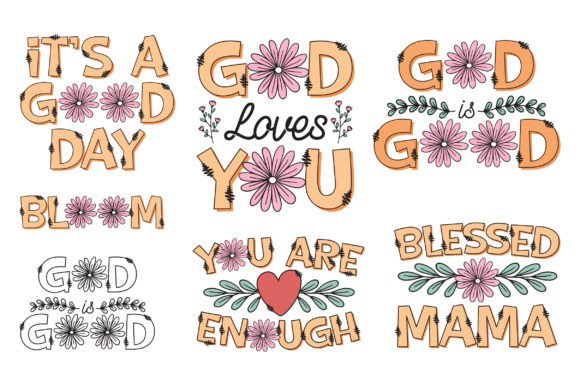
Reviewing the Gardening Plants SVG Sublimation T-shir for Embroidery
As a designer who spends more time staring at stitch simulations than I care to admit, I approach every new Gardening Plants SVG Sublimation T-shir with a mix of curiosity and caution. We have all been there: you find a beautiful graphic online, it looks perfect on the screen, but the moment you try to translate those smooth vector lines into thread, the reality hits. Today, I am breaking down this specific botanical design from the perspective of someone who needs it to work not just as a pretty picture, but as a viable, sellable embroidery project.
First Impressions: Mood and Visual Personality
The first thing that strikes me about the Gardening Plants SVG Sublimation T-shir is its organic flow. Botanical themes are perennial favorites in the Crafts category because they evoke calmness and nature. This design feels airy and deliberate. It does not scream for attention; instead, it invites a closer look. For an embroidery designer, this is a double-edged sword. Delicate lines can look exquisite when stitched correctly, but they can also disappear into the fabric if the stitch density is not managed well.
The layout suggests a balance between negative space and detailed foliage. In terms of visual personality, it leans towards the rustic-chic aesthetic. This makes it an ideal candidate for custom apparel aimed at the modern homemaker or the gardening enthusiast. It is not overly cartoonish, which gives it a higher perceived value for boutique branding. However, because it is marketed primarily as a sublimation design, we must critically assess how these shapes translate when we move from ink to thread.
Real-World Application: From Screen to Stitch
Let us imagine a real-life scenario. You run a small Etsy shop specializing in handmade product lines for spring. You want to create a limited run of canvas tote bag design options. The Gardening Plants SVG Sublimation T-shir seems like a perfect fit. The botanical elements would look charming on natural cotton or linen.
However, since this file comes in AI, EPS, SVG, and PNG formats, it is technically a vector graphic set, not a native machine embroidery design file like DST or PES. This is a crucial distinction. To use this in embroidery, you will need to digitize it yourself or hire a digitizer. The description notes it is made with 100 vector shapes, which is helpful. Clean vectors mean easier auto-digitizing or manual tracing. You can isolate individual leaves or stems to create simpler applique design layouts if full coverage feels too dense.
If you are planning sweatshirt embroidery, the texture of the fleece requires heavier threads and potentially a satin stitch border to keep the design crisp. For a baby embroidery project, such as a onesie, you might want to simplify the design. Tiny details can become scratchy or unstable on stretchy knit fabrics. In this case, using a running stitch for the finer veins of the leaves rather than a dense fill stitch would maintain the delicate look without compromising comfort.
Navigating Fabric and Hoop Constraints
One of the biggest challenges with botanical graphics is scale. When evaluating the Gardening Plants SVG Sublimation T-shir, you must consider your hoop size. If you are working with a standard 4x4 inch hoop, you may need to crop the design or focus on a single cluster of plants. Attempting to squeeze a complex arrangement into a small space will result in a muddy finished product where individual leaves merge into a green blob.
For curved surfaces like caps, this design requires careful placement. The center front panel is narrow. A wide, sprawling botanical spread will distort around the curve. I recommend testing the design on a scrap piece of the same fabric you intend to use. This is non-negotiable for professional results. Check how the thread colors interact with the fabric texture. On dark fabrics, you might need an underlay or a lighter background fill to make the greens pop, whereas on light muslin, the natural shadows of the stitches can provide enough depth.
Also, consider the stabilizer. For lightweight fabrics like tea towels or summer t-shirts, a cut-away stabilizer is essential to prevent puckering, especially if the design has any larger filled areas. If you are creating an embroidered patch to be sewn on later, you have more freedom to use denser stitching, but for direct-to-garment projects, less is often more.
Commercial Viability and Brand Consistency
For Etsy seller accounts and small shop product lines, consistency is key. The Gardening Plants SVG Sublimation T-shir offers a versatile aesthetic that can bridge seasonal gaps. It works for spring planting promotions, Earth Day gifts, and even general holiday embroidery for Mother’s Day. Because the colors are easy to change in the vector files, you can adapt the palette to match your brand identity. Swap earthy greens for pastel pinks and purples, and suddenly you have a design suitable for a nursery decor line.
Customer trust is built on quality. A sloppy embroidery job with loose threads or poor registration damages your reputation. Since this is a digital embroidery file source rather than a pre-digitized pattern, the responsibility for stitch quality lies with you. Take the time to refine the pathing. Ensure that jump stitches are minimized and that the start and end points are clean. A well-executed botanical design elevates the perceived value of a simple tote bag or apron, turning a basic item into a personalized gift that feels luxurious.
Practical Designer Notes for Success
Before you commit to production, here are my top recommendations for working with this type of asset:
- Test on Scrap Fabric: Always stitch out a sample. Check for puckering and thread breaks.
- Check Contrast: View your design in black and white. If the details disappear in grayscale, they will likely get lost in stitching too.
- Verify Licensing: While the file includes AI and SVG formats, confirm the commercial use rights. Can you sell the finished physical items? Can you resell the digital files? Clarify this before listing on marketplaces.
- Simplify for Small Hoops: Do not be afraid to delete smaller vector shapes if they are too tiny to stitch cleanly.
- Mockup Variations: Use the PNG file to create printable mockup previews for your online store. Show customers how the design looks on different colored garments to boost buyer engagement.
In conclusion, the Gardening Plants SVG Sublimation T-shir is a strong candidate for commercial embroidery and craft business applications, provided you respect the technical limitations of thread. It is not just a graphic; it is a blueprint for a tactile experience. By paying attention to stitch density, fabric choice, and proper digitizing techniques, you can transform these vector shapes into stunning, high-quality design assets that resonate with customers. Whether you are making a finished product for a local craft fair or expanding your digital catalog, this botanical theme offers the flexibility and charm needed to stand out in a crowded market.