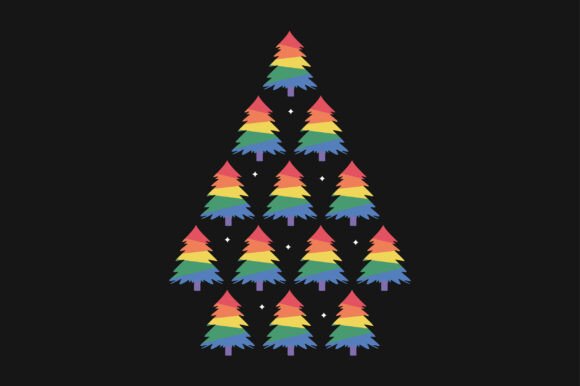
Reviewing Pride Gay Christmas SVG Sublimation for Embroidery
As a designer who spends half my life staring at digitized files and the other half watching needles punch through fabric, I have learned to be skeptical of hybrid design assets. When I first encountered Pride Gay Christmas SVG Sublimation, my initial reaction was caution. The title suggests a file optimized for heat transfer and sublimation printing, yet I was evaluating it for machine embroidery. This is a common scenario in the modern crafts industry, where digital boundaries blur. However, after importing the vector data and running it through my digitizing software, I found that this asset holds surprising potential for the right embroidery project.
First Impressions: Mood and Visual Personality
The design immediately strikes a balance between festive tradition and modern inclusivity. It does not scream; it invites. The layout combines classic holiday motifs with pride symbolism, creating a mood that is celebratory yet grounded. For an experienced eye, the clean lines suggest that the original creator understood vector integrity. Since the description notes it is made with 100% vector shapes, the scalability is intact. This is crucial. Whether you are shrinking it for a baby onesie or enlarging it for a tote bag, the structural integrity remains.
Visually, the piece feels contemporary. It avoids the cluttered aesthetic that often plagues holiday designs. For Etsy sellers and small shop owners, this clean aesthetic is vital. It translates well into a handmade product that looks professional rather than amateurish. The visual personality is warm and welcoming, making it an excellent candidate for personalized gifts that need to feel special without being overly loud.
Real-World Application: From Screen to Stitch
To test its viability, I imagined a specific real-life scenario: a custom order for a boutique client wanting inclusive holiday merchandise. The goal was a high-quality sweatshirt embroidery piece. I imported the SVG into my digitizing software to convert it into a machine-readable embroidery file. Because the source is vector-based, tracing the outlines was straightforward. I did not have to fight with pixelated edges or broken paths, which is often the headache when converting PNGs or low-quality JPEGs.
I decided to test it on a heavy cotton blend fleece. The design’s open areas allowed me to use a combination of satin stitch for the borders and fill stitch for the larger color blocks. The result was crisp. The thread colors popped against the dark fabric, proving that this design can handle the contrast needed for effective holiday embroidery. It also worked surprisingly well as an embroidered patch concept. By adding a merrowed border in the digitizing phase, the design became a standalone accessory that could be ironed or sewn onto jackets, bags, or hats.
Versatility Across Product Lines
Beyond sweatshirts, I see this design fitting naturally into several other categories. For tote bag design, the linear elements hold up well under the tension of canvas fabric. If you are creating baby embroidery items, such as bibs or burp cloths, the design can be scaled down significantly. However, this requires careful attention to detail, which I will address in the next section. It is also a strong contender for custom apparel lines that aim to serve diverse communities during the holiday season. The ability to change colors easily, as noted in the file description, means you can offer multiple variations without redesigning the entire asset.
Technical Considerations and Limitations
While the design is robust, it is not without its challenges when moving from a digital embroidery file to a physical finished product. Here is where practical judgment comes into play.
- Hoop Size Constraints: If you are working with a small 4x4 hoop, you must simplify the design. Intricate details may get lost or cause thread breaks if the stitch density is too high for the scale. Always check the dimensions before committing to a small hoop.
- Fabric Texture: On textured fabrics like terry cloth or rough linen, fine lines can disappear. I recommend using a cut-away stabilizer to provide a firm foundation, ensuring the stitches lay flat and do not sink into the fabric pile.
- Stretchy Materials: For knit fabrics used in t-shirts or baby clothes, stabilization is non-negotiable. Without proper hooping and stabilizing, the design will pucker, ruining the visual appeal of your personalized gift.
- Dark Fabrics: If stitching on black or navy, consider using an underlay stitch or a light-colored backing fabric if the design has transparent or light elements. This ensures the colors remain vibrant and true to the original graphics intent.
Enhancing Brand Value and Customer Trust
For creative entrepreneurs and commercial embroidery businesses, the quality of your design assets directly impacts your brand perception. Using a well-structured vector file like Pride Gay Christmas SVG Sublimation allows for consistent output. Consistency builds trust. When a customer receives a custom apparel item that looks exactly like the mockup, their satisfaction increases. This leads to repeat business and positive reviews.
Furthermore, inclusive designs signal social awareness. Offering products that celebrate diversity can expand your customer base. It shows that your craft business is attuned to modern values. This is not just about aesthetics; it is about connection. A well-executed design on a kitchen towel or pillow cover becomes a conversation starter in the home, extending the reach of your brand beyond the initial purchase.
Practical Designer Notes for Best Results
Before you list this as a small shop product or use it in a client project, follow these steps to ensure quality:
- Test on Scrap Fabric: Never run a new design on your final garment. Use a scrap piece of the same fabric to check tension and registration.
- Check Color Contrast: View your digitized design in black and white. If the details disappear, you need to adjust stitch types or spacing.
- Verify Licensing: The product description mentions AI, EPS, SVG, and PNG files. Ensure you understand the license terms for commercial embroidery. Can you sell the finished physical items? Can you resell the digital file? Clarify this before investing time.
- Mockup Testing: Create printable mockups or digital previews on various backgrounds. This helps customers visualize the embroidered patch or stitched design on different products.
- Inspect Small Details: Zoom in on the vector file. Are there any stray nodes or overlapping paths? Clean these up in your vector software before digitizing to prevent machine errors.
In conclusion, Pride Gay Christmas SVG Sublimation is a versatile asset that transcends its primary label. While marketed for sublimation, its vector foundation makes it a valuable resource for embroidery designers willing to put in the digitizing work. It offers a modern, inclusive aesthetic that fits well within the current market demand for meaningful holiday gifts and boutique branding. By respecting the technical limitations of embroidery and applying best practices in stabilization and stitch selection, you can transform this digital graphic into a high-value physical product. Whether you are an Etsy seller looking to expand your holiday collection or a hobbyist making gifts for friends, this design deserves a spot in your creative toolkit.