Reviewing Fall Babe Sticker Design for Embroidery
As a designer who spends more time staring at stitch simulations than I care to admit, I approach every new digital embroidery file with a mix of curiosity and skepticism. We have all been there: you see a cute graphic online, download it, and hope it translates well to thread. Recently, I took a close look at the Fall Babe Sticker Design. At first glance, it presents itself as a digital cutting file intended for craft-cutting machines like Cricut or Silhouette, or for printing onto transfer paper. The product description notes that you receive an AI file, which immediately signals that this is a vector-based Graphics asset rather than a pre-digitized embroidery file.
This distinction is crucial. For those of us in the craft business, understanding the source material is half the battle. While this item is categorized under Crafts and marketed toward cutters, its potential as a foundation for embroidery is significant—if handled correctly. Let’s break down how this design performs when we move from the screen to the hoop, keeping in mind real-world applications for Etsy sellers, boutique owners, and hobbyists.
First Impressions: Mood and Visual Personality
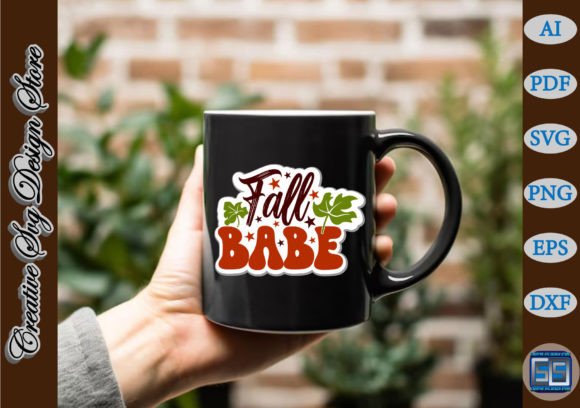
The Fall Babe Sticker Design exudes a specific autumnal confidence. It is not just about leaves; it is about attitude. The layout typically features bold, rounded typography paired with seasonal motifs, creating a vibe that is both cozy and trendy. For an embroidery project, this visual personality is a double-edged sword. The boldness is excellent for visibility, ensuring the design pops on a tote bag design or a sweatshirt embroidery piece. However, the "sticker" aesthetic implies clean, solid shapes and sharp edges.
In embroidery, we do not have the infinite resolution of a vector file. We have threads. When I visualize this design stitched out, I think about how those sharp vector lines will translate into satin stitch borders or fill stitch areas. The mood is playful and modern, making it a natural fit for custom apparel aimed at a younger demographic or for personalized gift items that need to feel current rather than traditional.
Real-World Application: The Tote Bag Test
Let’s imagine a realistic scenario. You run a small shop selling handmade goods, and you want to create a line of canvas totes for the fall season. You decide to use the Fall Babe Sticker Design as the central feature. Because the original file is an AI vector, you have the flexibility to resize it without losing quality before digitizing. This is a massive advantage for design assets that need to scale across different products.
On a heavy canvas tote, the design’s bold nature works in your favor. A fill stitch background can provide solid coverage, while a dense satin stitch outline can define the letters clearly. The contrast between the thread colors and the natural canvas texture creates a tactile, high-quality look. Customers touching the finished product will appreciate the density and the crispness of the edges, provided the digitizing respects the original vector’s integrity. This kind of handmade product stands out at craft fairs because it looks professional, not homemade in the amateur sense.
Navigating Technical Challenges
Here is where the experienced designer’s eye must come into play. Since this is not a pre-made machine embroidery design, you cannot simply load it into your machine. You must digitize it or hire someone who understands how to convert vector graphics into stitch data. If you are using this for commercial embroidery, you must pay attention to stitch density.
The "sticker" look often relies on solid blocks of color. In embroidery, large solid areas can cause puckering, especially on thinner fabrics. If you plan to put this on a baby embroidery item like a onesie, you must use a high-quality stabilizer and potentially reduce the density of the fill stitches. On stretchy fabrics, such as jersey knits for t-shirts, the design needs careful underlay stitching to prevent distortion. Without proper stabilization, the bold lines of the Fall Babe Sticker Design could warp, ruining the clean aesthetic.
Additionally, consider the hoop size. If the design includes intricate details or small text elements, ensure they are large enough to be stitched clearly. Tiny details often get lost in thread buildup. I always recommend testing the design on scrap fabric first. Check how the thread colors interact with the fabric. A dark thread on a dark fabric might lose the definition of the lettering, while a contrasting color can make the design sing.
Product Versatility and Market Fit
Beyond totes, where else does this design shine? It is exceptionally well-suited for embroidered patch creation. Patches allow you to control the fabric background completely, eliminating issues with garment texture. You can stitch the design on a sturdy twill, cut it out, and apply it to caps, jackets, or backpacks. This turns the digital embroidery file concept into a versatile small shop product.
For holiday embroidery projects, this design fits seamlessly into autumn-themed collections. It works well on kitchen towel hems or pillow covers where a bold statement piece is desired. However, be cautious with curved surfaces like caps. The rigid nature of a sticker-style design might not conform well to the curve of a cap brim unless the digitizing includes appropriate pull compensation and split fills.
If you are an Etsy seller, remember that presentation is key. Use the AI file to create high-quality printable mockup images before you even stitch a single thread. Show customers how the design looks on a sweatshirt, a mug, or a tote. This helps manage expectations and boosts buyer engagement. The visual appeal of the Fall Babe Sticker Design lies in its clarity, so your photos should reflect that crispness.
Designer Notes for Best Results
To get the most out of this Graphics asset for embroidery, keep these practical tips in mind:
- Digitize with Care: Since you are starting with an AI file, ensure your digitizing software converts curves smoothly. Avoid jagged edges in the satin columns.
- Test Stitch Density: Run a test on similar fabric to your final product. Adjust density if the fabric puckers or if the thread breaks frequently.
- Color Contrast: Choose thread colors that stand out against your fabric. High contrast enhances readability and visual impact.
- Stabilizer Selection: Use cut-away stabilizer for knit fabrics and tear-away for wovens. For heavy designs, consider a water-soluble topping to keep stitches from sinking into plush fabrics.
- Check Licensing: Before selling finished product items, confirm the license terms of the original AI file. Ensure you have commercial rights to use the graphic in physical goods.
- Mockup Testing: Create black and white mockups to check for value contrast. If the design disappears in grayscale, it may lack definition in thread.
In conclusion, the Fall Babe Sticker Design is a promising asset for creators willing to put in the digitizing work. It offers a modern, bold aesthetic that resonates with current trends. By respecting the technical requirements of embroidery—such as stabilizer use, stitch density, and fabric choice—you can transform this vector graphic into a high-value embroidery project. Whether for a personalized gift or a craft business inventory staple, it has the potential to perform beautifully if approached with a designer’s precision.