Reviewing The Bunny Made Me Do It SVG for Embroidery
As a designer who spends half my life digitizing and the other half stitching, I have learned that not every cute graphic translates well to thread. We often browse marketplaces looking for the perfect machine embroidery design, drawn in by playful typography and charming characters. Recently, I pulled The Bunny Made Me Do It SVG Cut File from my library to evaluate its potential for real-world application. While this asset is primarily marketed as a cut file for Cricut and Silhouette users, its utility extends far beyond vinyl crafting. For those of us in the Crafts and Graphics space, understanding how a vector behaves under a needle is just as important as how it looks on a screen.
First Impressions: Mood and Visual Personality
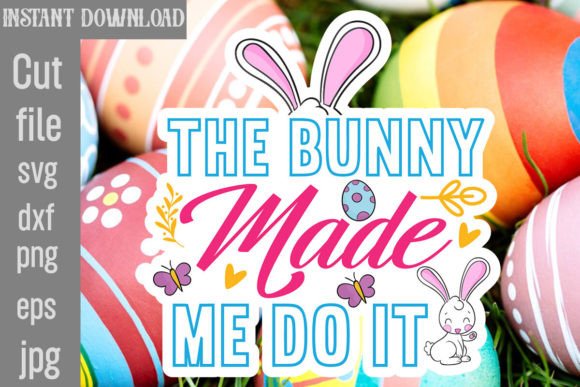
The immediate appeal of The Bunny Made Me Do It SVG Cut File lies in its whimsical, slightly mischievous tone. It captures that specific brand of Easter humor that appeals to both children and adults who appreciate a good pun. The layout typically features a bold, readable font paired with a stylized bunny silhouette. From a design perspective, the balance between text and image is crucial. If the bunny is too detailed, it becomes a nightmare to stitch; if the text is too thin, it gets lost in the fabric texture.
This particular design strikes a confident pose. It feels modern yet timeless, fitting seamlessly into spring collections without feeling overly trendy. For an embroidery project, this means versatility. It does not scream "disposable holiday decor." Instead, it suggests a piece of custom apparel or home goods that someone might keep and use long after the Easter basket has been emptied. The visual personality is friendly and approachable, which is exactly what you want when creating a personalized gift or a product for your Etsy seller storefront.
Real-World Application: From Screen to Stitch
I decided to test the viability of this design by imagining it on a few different substrates. My first thought was a neutral-toned tote bag. A tote bag design needs to be bold enough to stand out against canvas but simple enough to remain durable. Using the SVG as a reference for digitizing, I considered how the curves of the bunny would translate into satin stitches. Smooth curves are ideal for satin columns, while sharp angles might require a different approach to prevent puckering.
Next, I visualized it on a kids' sweatshirt. Sweatshirt embroidery requires careful handling of stitch density. You do not want a heavy, stiff patch on a soft garment. If I were converting this digital embroidery file for machine use, I would likely opt for a combination of fill stitches for the larger areas of the bunny and a clean running stitch or narrow satin for the text. This ensures the finished product remains soft and wearable. The phrase itself lends well to baby embroidery projects, such as onesies or bibs, where parents love humorous, light-hearted messages.
For my small shop product line, I also considered creating an embroidered patch. Patches are incredibly popular right now, allowing customers to add flair to jackets or bags. The self-contained nature of this design makes it a strong candidate for a merrowed-edge patch. The clear separation between the text and the graphic element allows for easy hoop placement and consistent production quality, which is vital for any craft business aiming for professionalism.
Navigating Technical Challenges
While the design is charming, there are areas where caution is necessary. Any experienced embroiderer knows that tiny details can cause significant headaches. If the original SVG has very fine lines in the bunny’s ears or whiskers, these may not hold up well in thread. In such cases, simplifying the design during the digitizing phase is essential. You must check whether the design works for both personal and commercial projects by reviewing the license, but technically, you must also ensure the stitch density is appropriate for the chosen hoop size.
Textured fabrics present another challenge. On a waffle-knit towel or a fuzzy fleece, small text can get lost. If you are planning holiday embroidery on kitchen towels, ensure the font weight is substantial. Similarly, when working on stretchy fabrics like jersey knits for t-shirts, using the correct stabilizer is non-negotiable. Without proper stabilization, the pull of the threads can distort the bunny’s shape, turning a cute design into a warped mess. I always recommend testing the design on scrap fabric first, especially when experimenting with new thread colors or fabric types.
Dark fabrics require special attention to contrast. If you are stitching white thread on black fabric, you might need to adjust the underlay stitches to ensure coverage. Conversely, light thread on light fabric can lack definition. I advise checking the design in black and white mockups to see if the shapes remain distinct without color reliance. This step helps confirm that the applique design or standard embroidery will maintain its clarity regardless of the fabric texture or color choice.
Enhancing Brand Value and Customer Trust
Why does the choice of design matter so much? Because it directly impacts perceived value. A well-executed The Bunny Made Me Do It SVG Cut File project signals quality. When customers see clean lines, balanced spacing, and appropriate stitch types, they trust the maker. This trust translates into repeat business and positive reviews. For commercial embroidery clients, consistency is key. Using reliable design assets allows you to produce uniform results across multiple items, whether you are making ten aprons for a boutique or fifty caps for a corporate event.
Moreover, the versatility of this design supports various revenue streams. You can use the included PNG file for printable mockup creation, helping you market your physical products online before you even stitch a single thread. High-quality visuals drive engagement on social media and Etsy listings. By presenting a professional handmade product, you differentiate yourself from mass-produced alternatives. The emotional connection customers feel with a humorous, well-crafted item fosters brand loyalty.
Practical Notes for the Modern Maker
Before you dive into production, here are a few final thoughts. First, remember that this is a DIGITAL DOWNLOAD ONLY. Your download includes one .zip file with the following files: one SVG File for Cricut, one DXF File for Silhouette, one EPS File Vector, and one PNG File with a Transparent Background at 300 Dpi. Note that these are cut files, not native embroidery formats like PES or DST. You will need to digitize them or convert them using specialized software if you intend to use them on an embroidery machine. Always confirm licensing before selling finished items or digital products derived from these files.
Second, inspect small details closely. Zoom in on the EPS vector to see if any nodes need smoothing. Third, compare light and dark fabric backgrounds to determine your thread palette. Classic pastels work well for spring, but don’t be afraid to experiment with bold contrasts for a modern twist. Finally, consider the end user. Is this for a wedding gift, a nursery decor piece, or a fun accessory for a friend? Understanding the context helps you choose the right hoop size and presentation method.
In conclusion, The Bunny Made Me Do It SVG Cut File is a versatile asset for the creative entrepreneur. With careful digitizing and thoughtful material selection, it can elevate your embroidery project from simple craft to professional-grade merchandise. Whether you are a hobbyist making gifts or a seasoned small business owner expanding your spring collection, this design offers a solid foundation for creativity. Just remember to respect the technical limits of your machine and materials, and you will create pieces that delight customers and stand the test of time.