Let It Bee - SVG: A Designer’s Practical Review
As a designer who has spent countless hours digitizing and testing files for real-world production, I have learned that not all design assets are created equal. Some look stunning on a screen but fall apart under the needle. Others are so dense they turn delicate fabric into cardboard. When I first pulled up Let It Bee - SVG, my initial reaction was one of cautious optimism. The theme is timeless—bees are perennial favorites in the Crafts community—but the execution is what determines whether a file ends up in the trash or becomes a bestseller.
I approached this review with a specific project in mind: a custom order for a local boutique selling organic cotton tote bags and linen aprons. The client wanted something whimsical yet clean, suitable for a spring collection. This is where Let It Bee - SVG needed to prove its worth. It wasn’t just about whether the image looked cute; it was about how it would translate into a finished product that holds up to washing, wearing, and daily use.
First Impressions and Visual Personality
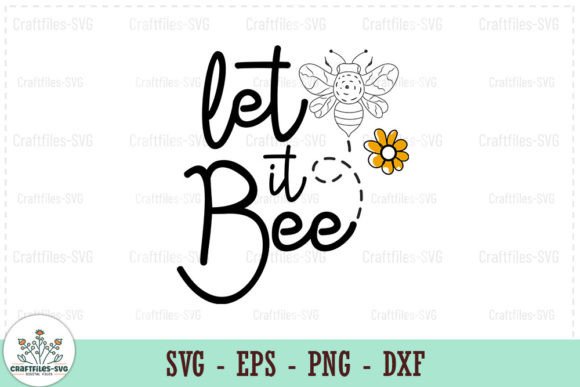
The immediate appeal of Let It Bee - SVG lies in its balanced simplicity. In the world of Graphics, less is often more, especially when dealing with embroidery. Complex gradients and tiny details rarely survive the transition from digital file to thread. This design avoids those pitfalls. The lines appear clean, suggesting that if converted properly into an embroidery file, it would rely on clear running stitch outlines and manageable fill stitch areas rather than chaotic, overlapping paths.
The mood is cheerful and inviting. It fits naturally into the current trend of cottagecore and nature-inspired decor. For an Etsy seller or small shop product creator, this visual personality is crucial. It signals warmth and handmade quality without feeling overly childish. It sits comfortably in that sweet spot between professional branding and personal charm, making it versatile for both personalized gifts and boutique merchandise.
Real-World Application: From Screen to Stitch
To test the viability of Let It Bee - SVG, I considered its application on various substrates. The description notes that you receive SVG, EPS, DXF, and PNG formats. For embroidery purposes, the SVG and EPS files are your starting points for digitizing or editing in software like Illustrator before converting to machine-readable formats. The fact that it is 100 Editable and 100 Color Changeable is a significant advantage. It means I can adjust the bee’s stripes to match a specific brand palette or simplify the wings for a cleaner look on textured fabrics.
I envisioned this design on a canvas tote bag design. Here, the scale matters. If the design is too small, the details might get lost in the weave of the canvas. If it’s too large, it might require excessive stitching time, driving up the cost. Because the file is vector-based (SVG/EPS), scaling is lossless. I could resize it to fit a 5x7 hoop comfortably, ensuring the stitch density remains appropriate for the fabric weight.
Another strong use case is sweatshirt embroidery. On fleece or French terry, simple designs often look best because the fabric pile can obscure fine details. Let It Bee - SVG, with its bold shapes, would stand out nicely against a heather grey or navy sweatshirt. However, I would recommend using a cutaway stabilizer to prevent the design from sinking into the plush fabric. The open spaces in the design allow the fabric texture to show through slightly, which adds a nice tactile element to the handmade product.
Navigating Technical Challenges
While the design is promising, there are areas where caution is necessary. Any experienced embroiderer knows that curved surfaces, like caps, present unique challenges. If you plan to use Let It Bee - SVG for an embroidered patch or directly on a cap, you must consider the curvature. The design should be centered carefully to avoid distortion. Additionally, if the original vector contains very thin lines, these might need to be thickened slightly during the digitizing process to ensure they don’t break or look spindly when stitched with standard thread colors.
Dense stitch areas are another concern. If the bee’s body is filled with a heavy satin stitch or a dense fill, it could cause puckering on lighter fabrics like cotton voile or silk blends. For baby embroidery projects, such as onesies or burp cloths, I would advise reducing the density or opting for a lighter fill pattern. Always test the design on scrap fabric first. This step is non-negotiable. Check how the thread colors contrast against the fabric. A yellow bee on a white towel might vanish, whereas on a denim jacket, it pops beautifully.
Dark fabrics require special attention. If you are stitching on black or navy, you may need to add an underlay or use a thicker top thread to ensure coverage. The SVG File for Cricut Design Space mentioned in the product details suggests this file is also popular for cutting machines. If you are creating an applique design version of this bee, the SVG format is perfect for cutting the fabric shapes. This hybrid approach—cutting the shape and stitching the outline—can save time and reduce stitch count, making it ideal for high-volume commercial embroidery runs.
Enhancing Product Value and Brand Consistency
Why does the choice of design matter for your business? Because consistency builds trust. Using a high-quality, cohesive design like Let It Bee - SVG helps maintain a professional look across your craft business offerings. Whether you are selling holiday embroidery items for spring or creating everyday custom apparel, the clarity of the design reflects the quality of your work.
Customers engage more with products that look polished. A blurry or poorly stitched design can deter buyers, while a crisp, well-executed bee motif can become a signature element of your brand. Use this design to create printable mockups for your online listings. Show the bee on a mug, a pillow cover, and a tote bag. This visual versatility helps customers imagine the personalized gift in their own lives, increasing the likelihood of a sale.
Practical Notes for the Embroidery Designer
Before you commit to producing a full batch of items, keep these practical tips in mind:
- Check Licensing: Confirm the license terms before selling finished items. While the file is editable, ensure commercial use is permitted for physical goods.
- Test Hoop Sizes: Determine the optimal hoop size. A 4x4 hoop might be too tight for detailed work, while a 6x10 might be unnecessary unless you are adding text.
- Inspect Small Details: Zoom in on the vector file. Are there any stray nodes or overlapping paths? Clean up the SVG in Illustrator before digitizing to avoid weird stitch jumps.
- Contrast is Key: Test the design in black and white mockups. If it doesn’t read well in monochrome, it might lack sufficient contrast in thread form.
- Fabric Texture: Remember that fabric texture affects the final look. A smooth polyester will show every stitch, while a rough linen will hide minor imperfections but may require more stabilizer.
In conclusion, Let It Bee - SVG is a solid addition to your library of digital embroidery file resources. It offers the flexibility needed for various projects, from kitchen towel accents to nursery decor. By paying attention to stitch density, fabric choice, and proper stabilization, you can transform this simple graphic into a high-value finished product that delights customers and strengthens your brand. It is a reminder that in embroidery, the best designs are those that respect the medium, allowing the thread and fabric to shine.