Happy Halloween Sticker: A Designer’s Review
As an embroidery designer who has spent years digitizing patterns and troubleshooting stitch-outs for small business owners, I approach every new machine embroidery design with a critical eye. It is not just about whether the image looks cute on a screen; it is about how those digital lines translate into thread on fabric. Recently, I evaluated the Happy Halloween Sticker to determine its viability for real-world projects. This is not a basic product description but a practical assessment for crafters, Etsy sellers, and apparel decorators who need to know if this asset will hold up under the needle.
First Impressions and Visual Personality
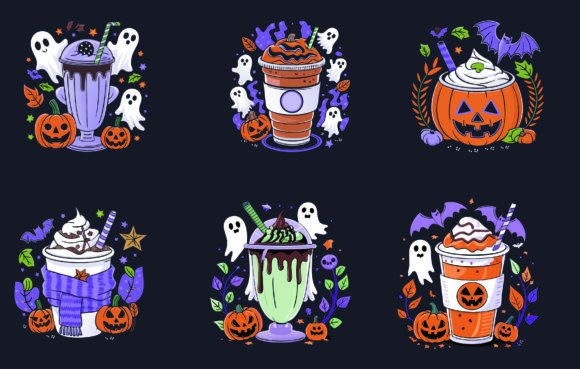
The initial appeal of the Happy Halloween Sticker lies in its playful, approachable aesthetic. Unlike some holiday designs that lean heavily into horror or intricate gothic details, this graphic offers a friendly vibe that works well for a broader audience, including children’s wear and family-oriented home decor. The layout suggests a sticker-style border, which is a popular trend in modern Graphics for crafts. This style typically implies clean edges and a self-contained composition, making it easier to hoop and stitch without worrying about complex trailing elements.
For a designer, the "sticker" look is advantageous because it often utilizes bold outlines and solid fills. In embroidery terms, this usually translates to reliable satin stitches for borders and dense fill stitches for the interior colors. However, the success of such a design depends entirely on the balance between detail and stitch density. If the original artwork is too busy, the resulting embroidery can become stiff or lose definition. My review focuses on how this specific design manages that balance when moved from a digital file to a tangible handmade product.
Real-World Application: The Custom Tote Bag Test
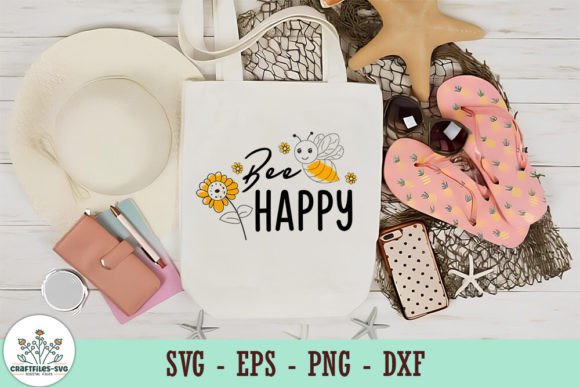
To truly understand the value of an embroidery file, you must visualize it in a specific context. I imagined using the Happy Halloween Sticker for a custom order: a set of canvas tote bags for a local boutique’s October promotion. Canvas is a sturdy fabric, ideal for handling the weight of embroidery, but it also reveals any tension issues or puckering immediately.
In this scenario, the design’s size relative to the hoop is crucial. A medium-sized hoop, such as a 5x7 inch frame, would likely be the sweet spot for this graphic. Placing it centrally on the bag allows the "sticker" border to breathe. When stitched out, the bold lines of the design should pop against the natural texture of the canvas. For a tote bag design like this, clarity is key. Customers browsing an Etsy seller’s shop or walking through a craft fair need to recognize the motif from a distance. The high-contrast nature of typical Halloween colors—orange, black, purple, and white—works in our favor here, ensuring the finished product has immediate visual impact.
Versatility Across Product Lines
Beyond tote bags, this design shows promise for various custom apparel items. Imagine it embroidered on the chest of a black hoodie or the back of a denim jacket. The sticker aesthetic mimics the look of a printed patch, which is currently very fashionable. For baby embroidery projects, such as onesies or bibs, the friendly theme is appropriate, provided the stitch count is not too high. Heavy stitching on delicate baby fabrics can cause discomfort, so checking the stitch density is essential before committing to production.
The design also fits well into the realm of holiday embroidery for home goods. Picture it on a kitchen towel or a pillow cover. These items often undergo frequent washing, so the durability of the stitch types used—whether satin, fill, or running stitch—becomes a major factor in customer satisfaction. A well-digitized design will maintain its shape and color vibrancy after multiple wash cycles, reinforcing brand consistency for small shop product lines.
Technical Considerations and Potential Pitfalls
While the Happy Halloween Sticker has strong potential, there are areas where caution is required. Not all fabrics behave the same way. If you plan to stitch this on stretchy materials like jersey knits for t-shirts, proper stabilization is non-negotiable. Without a cut-away stabilizer, the weight of the embroidery could distort the fabric, ruining the crisp lines of the sticker border.
Additionally, consider the complexity of the details. If the design includes tiny text or intricate facial features, these may not translate well at smaller sizes. Embroidery machines have physical limits; threads cannot replicate pixel-perfect precision. I recommend testing the design on scrap fabric first, specifically using the same thread colors and fabric type intended for the final product. This step helps identify any thread breaks or nesting issues before you risk expensive garment stock.
Dark fabrics present another challenge. If the design relies on light-colored threads for highlights, ensure your digitizing software or the provided file accounts for proper underlay stitching. Poor underlay can lead to the fabric showing through the top stitches, diminishing the professional look of your commercial embroidery work. Always check thread color contrast and adjust if necessary to maintain visibility.
Enhancing Brand Value and Customer Trust
For creative entrepreneurs, the choice of design assets directly influences perceived value. A clean, well-executed embroidery project signals professionalism. When customers see a neatly stitched Happy Halloween Sticker on a personalized gift, they associate that quality with your brand. This builds trust and encourages repeat business.
Using versatile design assets like this one allows for efficient inventory management. You can create multiple products—mugs (via sublimation if the file allows), pillows, and shirts—from a single cohesive theme. This consistency helps in creating attractive printable mockup previews for online listings. High-quality visuals drive engagement, and a recognizable, charming design can become a signature element of your seasonal collection.
Practical Notes for the Embroidery Designer
Before launching into production, take a moment to review the technical specifications of the Happy Halloween Sticker. Since specific details like exact stitch count, file formats, and license terms are not always explicitly detailed in general descriptions, it is vital to verify them. Ensure the digital embroidery file you purchase is compatible with your machine’s format. Check if the license permits commercial embroidery use, especially if you plan to sell finished items on platforms like Etsy or at local markets.
- Test on Scrap Fabric: Always run a test stitch-out to check tension and density.
- Check Hoop Size: Confirm the design fits comfortably within your available hoops without excessive editing.
- Review Stabilizer Needs: Match the stabilizer type to your fabric weight and stretch.
- Inspect Small Details: Zoom in on the design to ensure tiny elements won’t cause thread breaks.
- Verify Licensing: Clarify usage rights for both personal and commercial projects.
In conclusion, the Happy Halloween Sticker offers a charming, versatile option for fall-themed projects. Its sticker-style aesthetic lends itself well to modern apparel and home decor, provided the designer pays attention to fabric choice and stabilization. By approaching this Crafts category item with a professional mindset, you can transform a simple graphic into a high-value embroidered patch or garment feature that delights customers and elevates your brand.