Aussie Dog SVG: A Designer’s Embroidery Review
As a designer who spends more time staring at stitch maps than I do sleeping, I approach every new digital embroidery file with a healthy dose of skepticism. We have all been there: you download a cute graphic, load it into your software, and realize the node count is a nightmare or the proportions are completely off for actual stitching. That is why I took a close, critical look at the Australian Shepherd Aussie Dog SVG before committing it to any client work or personal embroidery project. This is not just about whether the image looks pretty on a screen; it is about how it behaves under the needle.
First Impressions and Visual Personality
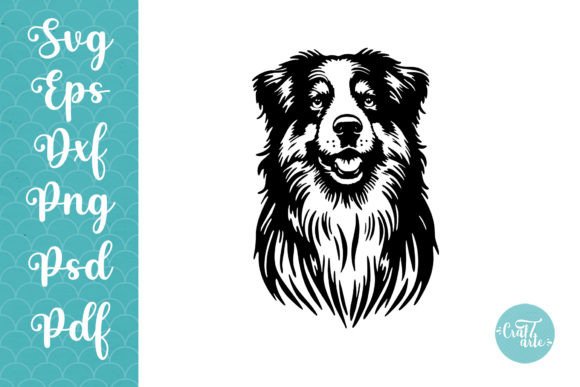
The first thing that strikes me about this design is its clarity. In the world of Crafts and digital Graphics, there is often a disconnect between vector lines and stitchable paths. However, this particular Aussie dog silhouette carries a strong visual personality. It captures the alert, intelligent expression typical of the breed without relying on excessive internal detailing that can turn into a muddy mess when stitched out. The mood is warm and inviting, perfect for pet lovers who want to showcase their pride in their furry companions.
From a layout perspective, the balance feels right. It is not too top-heavy, which is crucial if you are planning to place this on curved surfaces like caps or rounded baby items. The lines appear clean, suggesting that the transition from a vector SVG to a machine-readable format should be smooth, provided you use quality conversion software or purchase a pre-digitized version optimized for embroidery. For an Etsy seller or small shop product creator, this immediate visual appeal is half the battle won.
Real-World Application: The Tote Bag Test
To truly evaluate a design, you have to imagine it on a finished product. I recently considered this design for a custom order: a canvas tote bag design for a local dog walker who wanted branded merchandise. The Australian Shepherd Aussie Dog SVG fit the brief perfectly. Because the shape is distinct and recognizable even from a distance, it works exceptionally well for apparel and accessories where quick recognition matters.
If I were stitching this on a tote, I would likely opt for a fill stitch approach for the body of the dog to give it substance, perhaps contrasting with a satin stitch border to make the edges pop against the textured canvas. The design’s simplicity allows for creativity in thread choice. You could go realistic with merle-colored threads or stylized with brand colors. This versatility makes it a strong candidate for commercial embroidery projects where brand consistency is key.
Apparel and Custom Gifts
Beyond totes, this design shines in custom apparel. Imagine it centered on a cozy fleece sweatshirt. The sweatshirt embroidery market is huge, especially among pet owners. The design’s moderate complexity means it won’t take hours to stitch, keeping your production costs reasonable while still delivering a high-value handmade product. It also translates beautifully to baby embroidery projects, such as onesies or nursery blankets, where soft, rounded shapes are preferred over jagged, aggressive lines.
For those creating personalized gift items, this SVG serves as an excellent base. You can easily add a name below the dog using a complementary font. However, be mindful of scale. If you add text, ensure the lettering is large enough to be legible after stitching. Tiny serif fonts often disappear or become illegible when embroidered, so stick to bold, sans-serif options for the best results.
Technical Considerations and Fabric Choices
While the design is versatile, it is not without its technical demands. As an experienced reviewer, I must point out where caution is needed. If you are working with stretchy fabric like jersey knits for t-shirts, proper stabilization is non-negotiable. Without a cut-away stabilizer, the weight of the stitches could cause the fabric to pucker, distorting the dog’s shape. Always test on scrap fabric first. This is the golden rule of professional embroidery.
Another consideration is stitch density. If you are converting this SVG yourself, pay close attention to how dense your fill stitches are. Too dense, and you risk perforating delicate fabrics or creating a stiff, cardboard-like feel. Too sparse, and the backing fabric might show through, ruining the visual clarity. For dark fabrics, consider using an underlay or a white base layer to ensure the colors of the Aussie dog pop vibrantly. Thread color contrast is essential here; a black dog on a navy shirt will vanish unless you use metallic or bright accent threads.
Challenges with Small Hoops and Details
If you are working with a small hoop size, such as a 4x4 inch hoop for patches or hats, you may need to simplify the design further. Intricate details like individual fur strands or tiny eyes can get lost or cause thread breaks if scaled down too much. In these cases, I recommend focusing on the silhouette and using minimal internal detail. An embroidered patch made from this design would look fantastic if you use a satin stitch border to define the edges sharply.
Also, be cautious with textured fabrics like towels or heavy wool. The fabric texture can interfere with the stitch formation. A running stitch might get swallowed by a plush towel, so increasing the stitch width or using a denser fill can help maintain visibility. Always inspect small details closely before running the full production batch.
Commercial Viability and Brand Trust
For craft business owners, the quality of your design assets directly impacts customer trust. A clean, well-proportioned design like this Australian Shepherd Aussie Dog SVG signals professionalism. When customers see a crisp, well-stitched image, they perceive higher value. This is crucial for Etsy listings where competition is fierce. Using high-quality printable mockup images that accurately represent the stitched outcome can further boost buyer engagement.
However, before you list this as a small shop product, you must verify the licensing terms. Not all SVGs are created equal regarding commercial use. Ensure that the license allows you to sell physical items made with the design. If you are selling the digital file itself, confirm that you have the rights to distribute it. Protecting your business from copyright issues is just as important as the quality of your stitching.
Final Verdict for Designers
In conclusion, the Australian Shepherd Aussie Dog SVG is a solid addition to any designer’s library. It offers a blend of charm and practicality that works well across various mediums, from holiday embroidery gifts to everyday custom apparel. Its strength lies in its recognizable shape and adaptability. By paying attention to stabilizer choices, thread contrast, and appropriate scaling, you can transform this digital asset into a stunning physical product.
Remember to always test your settings. Check your thread colors against your fabric swatches. Review the stitch path in your software to minimize jumps and trims. With these precautions, this design can become a staple in your portfolio, delighting customers and enhancing your brand’s reputation for quality craftsmanship. Whether you are a hobbyist making gifts for friends or a seasoned pro supplying boutique stores, this design holds up under scrutiny and delivers results.