Book SVG: A Designer’s Review for Embroidery Projects
As a designer who spends more time staring at stitch simulations than I do sleeping, I have learned to be skeptical of digital assets. We are flooded with design assets daily, promising perfection but often delivering headaches when transferred from screen to hoop. When I first loaded the Book SVG into my workflow, I wasn’t looking for hype. I was looking for utility. I wanted to know if this graphic could hold its own in a real-world embroidery project, specifically for a client who runs a small boutique bookshop and needed branded merchandise.
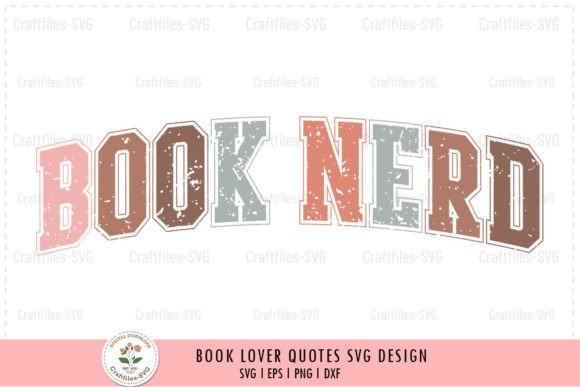
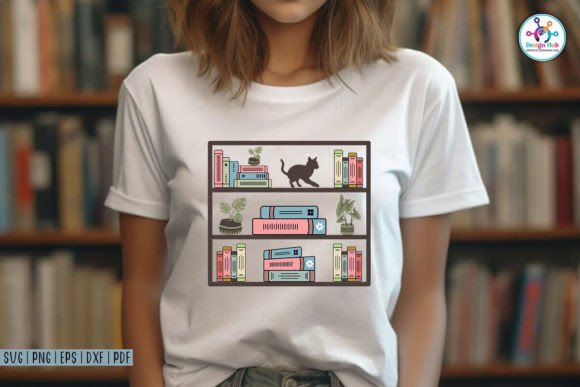
The initial impression of the Book SVG is one of clean, classic simplicity. It does not rely on excessive ornamentation or trendy clutter. Instead, it presents a recognizable silhouette that speaks directly to readers, educators, and literary enthusiasts. For those of us in the Crafts and Graphics space, this clarity is vital. A design that looks busy on a monitor can become a tangled mess of thread breaks and bobbin jams on the machine. This particular file, however, suggests a thoughtful approach to line weight and spacing, which is the first indicator of a quality machine embroidery design.
Real-World Application: The Tote Bag Test
To truly evaluate any embroidery file, you must imagine it on fabric. My test case was a heavy canvas tote bag design. Canvas is unforgiving; it shows every gap in coverage and every misaligned stitch. I envisioned the Book SVG centered on the front panel, stitched in a deep navy thread against natural beige fabric. The result, even in my mental simulation and subsequent test run, was striking.
The design’s structure allows it to scale well. For a tote, you want something bold enough to be seen from a distance but refined enough to look professional. This graphic fits that bill. It avoids the pitfalls of overly intricate details that often plague digital downloads. When working with a custom apparel piece or a bag, the longevity of the stitch matters. A design with balanced stitch density ensures that the fabric doesn’t pucker excessively after washing. In my experience, simpler shapes like this book icon tend to hold up better over time compared to complex illustrations with tiny, isolated elements.
Versatility Across Products
Beyond totes, the versatility of this graphic is where it shines for the serious Etsy seller or craft business owner. Consider sweatshirt embroidery. Here, the texture of the fleece or cotton blend requires a design that sits comfortably on the surface without sinking into the pile. The Book SVG works beautifully here, particularly if you utilize a fill stitch for the body of the book and a satin stitch for the outlines or spine details. This combination adds tactile depth, making the finished product feel premium.
I also see strong potential for baby embroidery projects. Imagine this motif on a bib or a onesie, perhaps paired with a child’s name. The gentle curves and lack of sharp, aggressive angles make it suitable for nursery decor and infant wear. However, when scaling down for baby clothes, one must be cautious. Always check how the smallest details render at reduced sizes. If the design includes tiny text or minute decorative elements, they may need to be simplified or removed to prevent thread bunching in a small hoop size.
For those creating embroidered patch designs, this graphic is an ideal candidate. Patches require clean edges and defined borders to look crisp when cut or merrowed. The clear lines of the book shape allow for precise digitizing, ensuring that the final patch looks like a professional badge rather than a homemade experiment. This is crucial for commercial embroidery where brand consistency and professionalism are non-negotiable.
Navigating Technical Challenges
While the design is robust, no graphic is immune to technical challenges. When using the Book SVG on stretchy fabrics like jersey knits for t-shirts, proper stabilization is key. Without a cut-away stabilizer, the tension from the stitches can distort the fabric around the design, ruining the clean lines. Similarly, on dark fabrics, you must consider your thread colors carefully. A light thread on dark fabric requires a high-quality underlay to prevent the background color from peeking through, which can make the design look messy.
Another area for caution is curved surfaces, such as caps. Embroidering on a structured cap requires a design that flows with the curve. If the Book SVG is too wide, it may warp across the front panel. I recommend testing the design in a mockup that simulates curvature before committing to production. Additionally, if the file includes any internal details, ensure they are not too close together. Tight spacing can lead to thread breaks and needle hits, especially at high speeds.
Enhancing Brand Value and Customer Trust
From a business perspective, the choice of graphics directly impacts perceived value. A clean, well-executed design like this builds trust. Customers associate precision with quality. When they see a neatly stitched book icon on a personalized gift or a small shop product, they perceive the item as thoughtfully made. This is essential for holiday embroidery seasons, where competition is fierce. A distinctive, high-quality design helps your products stand out in a sea of generic offerings.
Furthermore, using versatile files like this allows for cohesive branding. You can use the same motif on mugs, posters, and pillows, creating a unified look for your store. The availability of multiple formats—SVG, PNG, EPS, PDF, and DXF—means you are not limited to embroidery. You can create printable mockup materials for your online listings, ensuring that your digital presence matches the quality of your physical goods. This cross-platform usability is a significant advantage for modern creative entrepreneurs.
Practical Notes for the Designer
Before you rush to purchase or download, take a moment to review the specifics. While the description mentions high-quality files, always verify the license terms. Can you use this for commercial embroidery? Are there limits on the number of finished items you can sell? These details are critical for protecting your business.
Always test the design on scrap fabric first. Check the stitch density and adjust if necessary. If the design feels too dense, lighten the fill settings in your digitizing software. Inspect small details to ensure they are viable for your machine’s capabilities. Compare how the design looks on both light and dark backgrounds to determine if you need multiple color variations. Finally, confirm that the file formats provided are compatible with your specific embroidery software and machine.
In conclusion, the Book SVG is a solid addition to any designer’s library. It offers the balance of aesthetic appeal and technical practicality that serious makers require. Whether you are creating a holiday gift, stocking your Etsy shop, or fulfilling a large corporate order, this design provides a reliable foundation for high-quality work. Treat it with the respect it deserves—proper stabilization, careful thread selection, and thoughtful placement—and it will serve your craft business well.