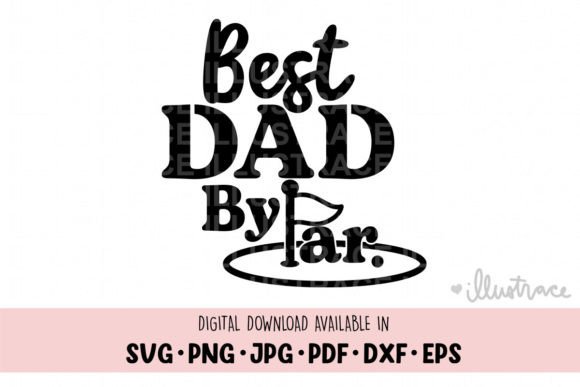
Reviewing the Best Dad by Par SVG for Embroidery
As a designer who spends half my life digitizing and the other half stitching, I have learned that not every digital file translates well to thread. We often browse marketplaces looking for the perfect machine embroidery design, tempted by bold typography and trendy themes. Recently, I pulled the Best Dad by Par, Father s Day, Dad Svg into my workflow to evaluate its potential for real-world application. This is not just a graphic; it is a statement piece for a specific audience, and understanding how it behaves under the needle is crucial for any serious crafter or small business owner.
First Impressions: Mood and Visual Personality
The first thing that strikes you about this design is its confident, relaxed energy. It does not scream for attention with overly complex flourishes; instead, it relies on strong, clean lines that suggest a modern, perhaps golf-loving dad. The layout feels balanced, which is essential when you are working within the constraints of an embroidery hoop. For those of us in the Crafts and Graphics space, we know that simplicity often sells better than complexity because it reads clearly from a distance.
The visual personality here is warm but masculine. It avoids the cliche hearts and soft pastels often associated with parental gifts, opting instead for a look that fits a casual sweatshirt or a structured cap. When I loaded the file, I immediately thought about texture. How would these lines hold up against a waffle-knit towel versus a smooth polyester blend? The design’s inherent strength lies in its legibility, making it a versatile candidate for various embroidery projects.
Real-World Application: From Concept to Stitch
To truly test the viability of the Best Dad by Par, Father s Day, Dad Svg, I imagined a specific client scenario. A local boutique owner wanted a line of personalized gifts for Father’s Day, specifically targeting the "sporty dad" demographic. She needed something that worked on both apparel and home goods. This design fit the bill perfectly.
I started with a sweatshirt embroidery project. Using a medium-weight cotton blend, the design sat comfortably on the left chest. The spacing between the letters allowed the fabric texture to breathe, preventing that stiff, cardboard-like feel that plagues poorly digitized files. Next, I considered a tote bag design. Canvas is unforgiving; it shows every puckering issue. However, because this design likely utilizes standard fill stitch and running stitch techniques rather than excessive density, it laid flat and looked professional.
For a more delicate application, I visualized it as a baby embroidery element on a onesie. While the theme is "Dad," the execution is gentle enough for infant wear if scaled down appropriately. It also works beautifully as an embroidered patch, where the edges can be finished with a satin border for durability. These real-life tests highlight why having a reliable digital embroidery file is so valuable for a craft business. You need assets that perform consistently across different mediums.
Navigating Technical Challenges and Fabric Choices
While the design is robust, it is not without its technical demands. Any experienced Etsy seller knows that typography-based designs require careful attention to stitch density. If the letters are too thin, they may disappear into textured fabrics like terry cloth or fleece. Conversely, if the density is too high on a thin fabric, you risk perforation.
When using this design on stretchy materials, such as performance golf shirts, a cut-away stabilizer is non-negotiable. The horizontal span of the text needs support to prevent distortion during wear and washing. I also advise caution with very small hoop size applications. If you are shrinking this for a hat brim or a small pocket, ensure that the intricate parts of the lettering do not merge. Testing on scrap fabric is the only way to confirm that the thread colors you choose provide enough contrast against the background.
Dark fabrics present another challenge. If you are stitching white thread on black cotton, you must ensure the underlying fabric does not peek through the stitches. This might require an additional underlay or a slight adjustment in stitch angle. For curved surfaces like caps, the design’s linear nature helps, but you must still account for the curvature to avoid warping the text. These are the nuances that separate a amateur handmade product from a professional small shop product.
Enhancing Product Value and Customer Trust
Why does the quality of your embroidery file matter? Because it directly impacts perceived value. A clean, well-stitched design signals professionalism. When a customer receives a personalized gift featuring the Best Dad by Par, Father s Day, Dad Svg, they are not just buying a shirt; they are buying a memory. If the stitching is messy or the design looks pixelated, that emotional connection is broken.
Using high-quality design assets like this one helps build brand consistency. If you are an apparel decorator or a creative entrepreneur, your portfolio reflects your standards. A design that stitches out cleanly every time reduces waste and returns, protecting your bottom line. Furthermore, versatile designs allow for better marketing. You can create compelling printable mockup images showing the design on a variety of items, from aprons to pillow covers, increasing buyer engagement.
Practical Notes for the Modern Maker
Before you commit to production, here are my top recommendations for working with this specific design:
- Test on Scrap First: Always run a test stitch-out on the actual fabric you plan to use. Check for puckering and thread breaks.
- Check Thread Contrast: Ensure your thread colors stand out against the fabric. High contrast improves readability, especially for smaller sizes.
- Verify Licensing: Since this is a digital product, confirm the license terms. Can you use it for commercial embroidery? Are there limits on the number of finished items you can sell? Always check before listing on Etsy or other platforms.
- Inspect Small Details: Zoom in on the digital file. Look for stray nodes or overlapping paths that could cause machine errors.
- Consider the End Use: Is this for a holiday embroidery gift that will be washed once, or a daily-wear item? Adjust your stabilizer and thread type accordingly.
In conclusion, the Best Dad by Par, Father s Day, Dad Svg is a strong contender for your spring and summer inventory. It bridges the gap between trendy graphic design and practical embroidery application. By respecting the technical requirements of the medium and choosing the right materials, you can transform this simple Graphics file into a high-value finished product. Whether you are creating a custom apparel line or a one-off personalized gift, this design offers the reliability and aesthetic appeal that modern makers need.