Reviewing Single Bells SVG for Real Embroidery Projects
As a designer who spends more time staring at stitch simulations than I care to admit, I have learned that not every digital file translates well to thread. We see thousands of designs labeled as ready for production, but the gap between a crisp vector line on a screen and a textured, stitched reality is where many projects fail. Recently, I pulled the Single Bells SVG into my workflow to evaluate its potential for actual client work and small shop inventory. This is not just a graphic; it is a blueprint for physical creation, and understanding how it behaves under the needle is crucial for anyone serious about their craft business.
First Impressions: Mood and Visual Personality
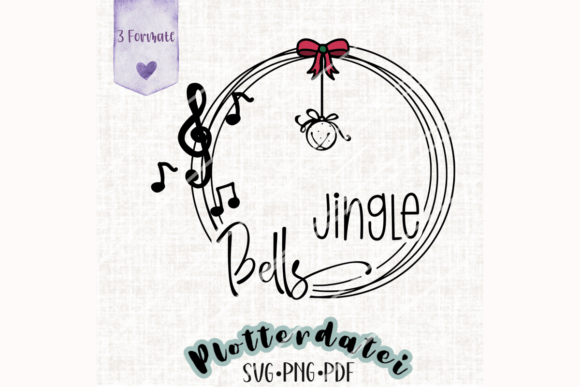
The first thing that strikes you about Single Bells SVG is its simplicity. In the world of embroidery, complexity is often the enemy of quality. This design leans into a minimalist aesthetic that feels both modern and timeless. It does not scream for attention with excessive detail; instead, it offers a clean, recognizable silhouette that suggests warmth and festivity without being overly kitschy. For those of us working in Crafts and Graphics, this balance is rare. The layout is open, which is a significant advantage when working with various hoop sizes. It creates a mood of understated elegance, making it suitable for high-end boutique products rather than just novelty items.
When I visualize this design on a product, I do not see it getting lost in the noise. Whether it is intended for a holiday gift or a year-round decorative accent, the visual personality is adaptable. It feels at home on natural fibers like linen and cotton, suggesting a rustic or Scandinavian-inspired vibe that is currently very popular among Etsy sellers and handmade shop owners.
Real-World Application: From Screen to Stitch
To truly test the viability of this design, I imagined a specific real-life scenario: preparing a custom embroidered tote bag for a local farmer’s market vendor. The client wanted something subtle that could brand their packaging while remaining useful for customers. Here, Single Bells SVG shines. Because the design is provided in SVG, PDF, and PNG formats, the versatility is immediate. For the tote bag, I would use the SVG to scale the design perfectly to the center panel, ensuring it remains proportional regardless of the bag’s dimensions.
Beyond tote bags, consider the potential for custom apparel. A sweatshirt embroidery project benefits greatly from designs that are not too dense. Heavy fill stitches on a fleece or heavy cotton blend can cause puckering and discomfort. If Single Bells SVG is used as a basis for a satin stitch or a simple running stitch outline, it maintains the integrity of the fabric. For baby embroidery, such as a onesie or a nursery blanket, the lack of tiny, intricate details is a blessing. Small, complex elements often get chewed up by the machine or become loose threads that pose a safety hazard. This design’s cleaner lines suggest a safer, more durable finished product.
For the digital product seller, the inclusion of PNG and PDF files means you can create printable mockups instantly. You can place the design on virtual t-shirts, mugs, or wall art to showcase your listings before you even stitch a single thread. This speeds up the workflow for creative entrepreneurs who need to test market demand before committing to physical inventory.
Navigating Fabric and Technical Constraints
While the design is versatile, practical experience dictates that we must approach certain materials with caution. Embroidery is a tactile medium, and fabric texture plays a massive role in the final outcome. If you are planning to stitch Single Bells SVG on textured fabrics like terry cloth or thick wool, you must ensure the lines are bold enough to stand out. Fine details can disappear into the pile of the fabric.
Similarly, when working with stretchy fabrics like jersey knits for t-shirts, stability is key. Even a simple design can distort if the stabilizer is not chosen correctly. I always recommend testing the design on scrap fabric first. Check how the thread colors contrast against the background. On dark fabric, you might need to adjust the brightness of your thread palette or add an underlay to prevent the fabric color from showing through the stitches. For curved surfaces like caps, the placement of the design is critical. The open nature of this bell shape likely handles curvature well, but you must confirm the hoop size compatibility with your specific machine.
One area to watch is stitch density. Since the product description mentions it is a plotter file for creative ideas, it may be primarily a cut file or a simple outline. If you are converting this for machine embroidery, you have control over the density. Avoid creating dense stitch areas in the center of the bell, as this can lead to thread breaks and needle heat. A combination of satin stitch for the edges and a light fill or running stitch for internal details would likely yield the most professional result.
Enhancing Brand Value and Customer Trust
Why does the choice of design matter for your business? Because it directly impacts perceived value. A clean, well-executed embroidery project signals professionalism. When a customer receives a personalized gift featuring Single Bells SVG, the clarity of the design reflects the care put into the handmade product. Sloppy, overly complex designs often look messy after washing, leading to customer dissatisfaction. In contrast, a design with strong structural integrity maintains its shape and appeal over time.
For small shop products and craft fair items, recognition is vital. A distinctive, simple icon becomes part of your brand identity. If you use this design consistently across your embroidered patches, aprons, and pillow covers, it builds brand consistency. Buyers engage more with products that look intentional and polished. This design allows for that level of polish because it does not rely on gimmicks. It relies on form and balance.
Practical Notes for the Designer
Before you launch this design into your commercial embroidery lineup, there are several steps you should take to ensure success. First, verify the licensing terms. While the product description states it is for creative ideas and decoration, always confirm whether the license covers commercial sales of finished physical items. This is crucial for Etsy sellers and small business owners to avoid legal issues.
- Test on Scrap Fabric: Never run a new design directly on your final garment. Test stitch density and tension on a similar material first.
- Check Thread Contrast: Use black and white mockups to see if the design holds up without color reliance. This ensures readability on any background.
- Inspect Small Details: Zoom in on the SVG paths. Are there nodes that are too close together? Clean up the vector if necessary before digitizing for embroidery.
- Confirm Hoop Size: Ensure the scaled design fits comfortably within your standard hoops without hitting the edges.
- Use Proper Stabilizer: Match your stabilizer to the fabric weight. Cut-away for knits, tear-away for wovens.
In conclusion, Single Bells SVG is a solid addition to your library of design assets. It offers the flexibility needed for diverse projects, from holiday embroidery on kitchen towels to year-round branding on tote bags. By approaching it with a designer’s eye for detail and a maker’s respect for materials, you can transform this digital file into a high-value finished product that resonates with customers and stands the test of time.