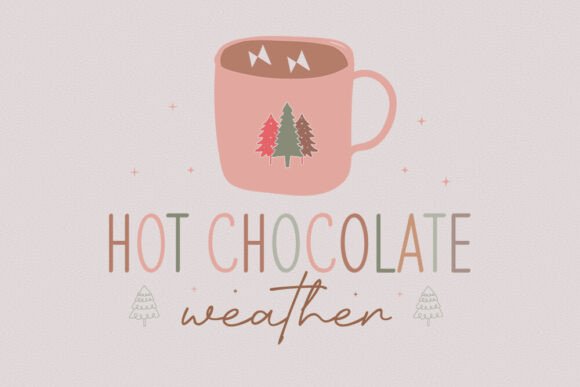
Reviewing Hot Chocolate Weather - Retro SVG for Embroidery
As a designer who spends half my life digitizing and the other half stitching, I have learned that not every graphic translates well to thread. When I first opened the Hot Chocolate Weather - Retro SVG, my immediate reaction was one of cautious optimism. The retro aesthetic is currently dominating the Crafts market, but nostalgia-driven designs often rely on gradients or textures that are nightmares to stitch. This particular file, however, presents itself with a clean, vector-based confidence that suggests it was built with production in mind.
The mood here is unmistakably cozy. It evokes the feeling of a crisp autumn morning or a snowy December afternoon. For an embroidery project, this emotional resonance is half the battle won. If the design makes the viewer feel warm before the needle even hits the fabric, you have captured their attention. But does it hold up under the microscope of a sewing machine? That is the question I set out to answer by mentally walking through a real-world application.
The First Impression: Shape and Layout
The visual personality of Hot Chocolate Weather - Retro SVG leans heavily into bold, simplified shapes. This is a crucial feature for embroidery. Intricate, thin lines often get lost in the pile of a towel or snap under the tension of a hoop. The layout here appears balanced, with a central focal point that draws the eye. The retro styling usually implies a certain chunkiness to the lettering or iconography, which is ideal for satin stitch applications. Thick elements allow for wider stitches, which cover fabric efficiently and create that luxurious, raised texture customers love in a handmade product.
From a Graphics perspective, the editability is key. The product description notes that you receive SVG, EPS, DXF, and PNG files. For us in the embroidery world, the SVG and EPS are the workhorses. They allow us to manipulate the nodes if we need to tweak a curve for better stitch flow. The fact that it is 100% color changeable means I am not locked into a specific palette. I can imagine this in classic brown and cream for a traditional look, or perhaps pastel pinks and blues for a modern nursery twist.
Real-World Application: The Custom Sweatshirt Test
To truly evaluate this design, I imagined applying it to a high-quality, heavyweight cotton sweatshirt. This is a staple item for any Etsy seller or small shop product line. The Hot Chocolate Weather - Retro SVG sits comfortably on the left chest or as a larger centerpiece on the back. Because the design likely features solid areas, it would benefit from a fill stitch pattern. However, one must be wary of density. If the digital file is too dense, the sweatshirt fabric will pucker, ruining the drape of the garment.
In this scenario, the embroidery file format matters. While the provided formats are vector-based, an experienced designer knows these must be digitized into a machine-readable format (like PES or DST) before stitching. The vector source allows for precise control over that digitization process. I would ensure that the transition between the "hot chocolate" elements and any text uses a running stitch underlay to secure the fabric before the decorative top stitches begin. This prevents shifting and ensures the final finished product looks professional, not homemade in the amateur sense.
Versatility Across Products
Beyond apparel, where does this design shine? I see strong potential for tote bag design. Canvas bags handle higher stitch densities well, allowing the retro graphics to pop with vibrant thread colors. Imagine this stitched in deep cocoa browns and marshmallow whites on a natural canvas tote. It becomes an instant bestseller for coffee shops or bookstores.
For baby embroidery, the softness of the theme fits perfectly. However, caution is required. Baby skin is sensitive, and bulky stitches can be irritating. If using this on a onesie or baby blanket, I would recommend scaling the design down and ensuring the back of the stitching is neatly trimmed and covered with a soft backing. The personalized gift market thrives on these touches. Adding a name beneath the retro graphic could elevate the perceived value significantly, turning a simple item into a cherished keepsake.
It also works beautifully for holiday embroidery. As winter approaches, demand for cozy-themed decor spikes. This design could adorn pillow covers or kitchen tea towels. On a textured linen towel, the contrast between the smooth embroidery and the rough fabric creates a tactile experience that buyers appreciate. It is not just visual; it is sensory.
Technical Considerations and Pitfalls
No design is without its challenges. When working with Hot Chocolate Weather - Retro SVG, there are specific areas where care must be taken. First, consider the hoop size. If the design is large, you may need to hoop it in sections or use a large frame. Always check the dimensions of the vector file before committing to a specific hoop. Stitching a design that is too large for your hoop leads to misalignment and frustration.
Second, think about fabric texture. On looped towels or fuzzy fleece, small details can disappear. If the retro design includes fine lines or tiny text, these might get swallowed by the fabric pile. In such cases, using a cutaway stabilizer is non-negotiable. It provides the necessary support to keep the stitches standing tall and clear. For stretchy fabrics like jersey knits, a stabilizer that prevents distortion is equally critical to maintain the integrity of the shape.
Dark fabrics present another hurdle. If you are stitching light-colored threads on a black hoodie, you must ensure the underlay is sufficient to prevent the dark fabric from showing through the top stitches. This is where the "100% Editable" nature of the SVG helps. You can adjust the width of elements slightly to accommodate more coverage if needed during the digitizing phase.
Commercial Viability and Brand Consistency
For commercial embroidery professionals, consistency is currency. Using a reliable source file like this ensures that every item you produce looks identical. This builds customer trust. When a buyer sees a crisp, clean image in your printable mockup or online listing, they expect the physical item to match. The clean lines of this retro design help achieve that consistency.
Moreover, the versatility of the file formats supports broader business strategies. The PNG file included in the zip is excellent for creating digital previews or social media content without needing to stitch a sample every time. This saves time and resources for the craft business owner. The ability to change colors easily means you can offer customization options to clients without redesigning the entire asset. This flexibility increases buyer engagement and can lead to higher conversion rates on platforms like Etsy.
Final Designer Notes
Before you run this design on your client's expensive garment, always test on scrap fabric. Check the stitch density and adjust your machine tension if necessary. Verify that the applique design elements, if any, are properly aligned. If you are new to digitizing from SVGs, start with a simple satin column approach for the thicker parts and a fill for larger areas.
Confirm the licensing terms before selling. While the file is editable and color-changeable, ensure you have the right to use it for commercial products. Most designers allow this, but it is always wise to double-check. Finally, consider the washability. Advise your customers to turn garments inside out when washing to preserve the vibrancy of the thread colors and the structure of the stitches.
In conclusion, Hot Chocolate Weather - Retro SVG is a strong contender for your next embroidery project. It balances aesthetic appeal with practical usability. Whether you are creating custom apparel, embroidered patches, or home decor, this design offers the flexibility and charm needed to succeed in today's competitive handmade market. Treat it with the technical respect it deserves, and it will reward you with beautiful, sellable results.