Reviewing Halloween Pumpkin SVG Sublimation for Stitchers
As a designer who spends half my life digitizing and the other half stitching, I approach every new Halloween Pumpkin SVG Sublimation file with a mix of curiosity and skepticism. We see thousands of seasonal graphics flood the market every September, but few are built with the structural integrity required for high-quality machine embroidery. Today, I am evaluating this specific design not just as a digital asset for sublimation, but through the lens of an embroidery professional looking to create tangible, durable handmade products.
First Impressions: Shape and Silhouette
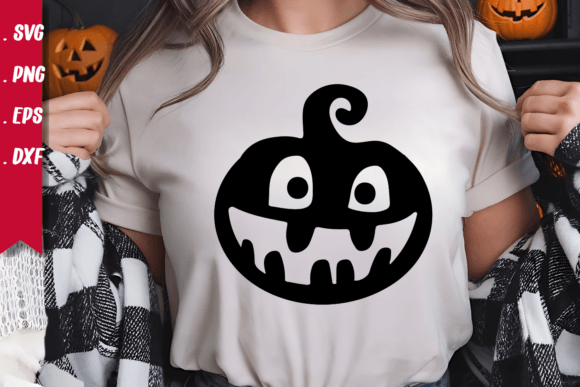
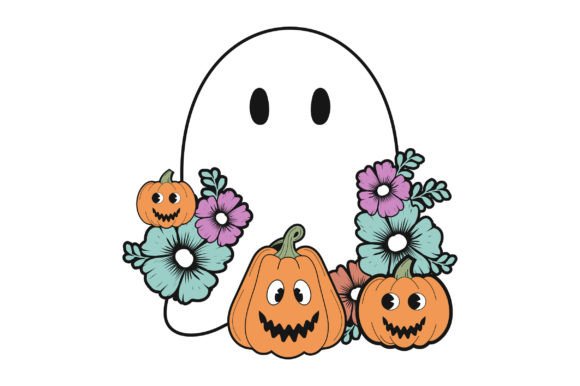
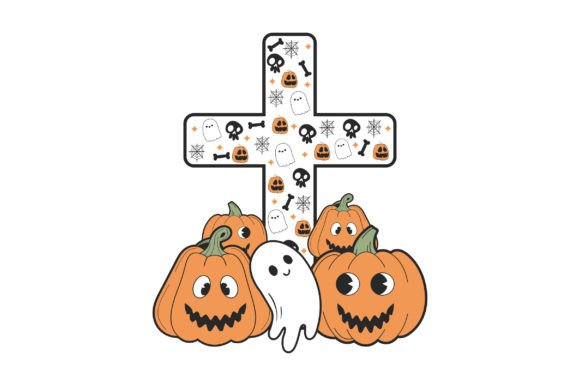
The first thing I look for in any holiday-themed graphic is the silhouette. Does it read clearly from a distance? The Halloween Pumpkin SVG Sublimation design relies on bold, recognizable shapes. The description notes that it is made with 100 vector shapes, which is a promising start. In the world of Crafts and digital Graphics, vector-based origins usually mean cleaner lines and easier scalability. For an embroidery designer, clean lines translate to fewer stray stitches and a more polished finished product.
The mood here is playful yet classic. It avoids the overly grotesque or hyper-realistic trends that can sometimes look messy when converted into thread. Instead, it offers a balanced aesthetic that fits well on a variety of items, from a cute baby onesie to a rugged tote bag. The visual personality is approachable, making it a safe bet for small shop owners who want to appeal to a broad customer base without alienating those who prefer subtle holiday decor.
Real-World Application: The Tote Bag Test
To truly understand how this design performs, I mentally placed it on a canvas tote bag, a staple item for any Etsy seller during the fall season. Imagine a natural cotton canvas, sturdy and slightly textured. The pumpkin design, with its distinct sections, would need to be scaled appropriately. If the design is too small, the details might get lost in the weave of the fabric. If it is too large, the stitch density could cause the bag to pucker.
Because the file description mentions it is easy to change colors, I envision swapping the traditional orange for a muted mustard or a deep burgundy to match current autumn trends. This flexibility is crucial for creating a cohesive small shop product line. When I picture this as a personalized gift, I can see it paired with a monogrammed name in a simple sans-serif font below the pumpkin. The simplicity of the pumpkin shape allows the text to shine without competing for attention.
Stitching Considerations and Fabric Choices
While the file is marketed for sublimation, converting it for embroidery requires careful planning. Since we are dealing with vector shapes, the transition to a machine embroidery design should be straightforward, but it is not automatic. I would recommend using a combination of satin stitch for the outlines and smaller details, and a light fill stitch for the larger body of the pumpkin. However, caution is needed with the fill density.
If you are stitching on a sweatshirt embroidery project, the fleece backing provides enough stability to handle a denser design. But if you are attempting this on a thinner material, like a kitchen towel or a baby garment, you must reduce the stitch count. High stitch density on thin fabric leads to distortion. Always use a proper stabilizer; for knits, a cut-away stabilizer is non-negotiable to prevent the design from pulling out of shape after washing.
For those interested in creating an embroidered patch, this design is ideal. The clear boundaries between the vector shapes make it easy to create a merrowed edge or a clean satin border. Patches are a trending item in the craft business sector, and a well-digitized pumpkin can become a bestseller if the edges are crisp.
Where to Be Careful
Not every surface is friendly to this type of design. I would advise against using this on highly textured fabrics like chunky knits or heavy wool blends unless you are doing a simple appliqué. The intricate vector shapes might get lost or cause needle breaks if the fabric shifts. Similarly, curved surfaces like caps require a specialized digitizing approach. You cannot simply take a flat digital embroidery file and slap it on a baseball cap without adjusting for the curvature and the stiff buckram backing.
Also, consider the hoop size. If you are working with a 4x4 hoop, you may need to simplify the design or split it into parts. The description says it is resizable, which is true for vectors, but in embroidery, resizing too small compromises stitch quality. Tiny details can turn into bird nests of thread if they are below the minimum stitch length capability of your machine.
Commercial Value and Brand Consistency
For commercial embroidery projects, consistency is key. Buyers trust brands that deliver uniform quality. Using a versatile design like Halloween Pumpkin SVG Sublimation allows you to maintain brand consistency across different products. Whether it is a tote bag design, a pillow cover, or a set of napkins, the recognizable shape helps build brand recognition.
From a marketing perspective, having a design that works well in both sublimation and embroidery expands your product range. You can offer a sublimated shirt for a lower price point and an embroidered sweatshirt for a premium option. This tiered pricing strategy is effective for creative entrepreneurs looking to maximize revenue from a single design asset.
Practical Designer Notes
Before you commit to stitching this on a final finished product, follow these steps:
- Test on scrap fabric: Always run a test stitch-out on the same type of fabric you intend to use for the final item. This reveals tension issues and color clashes.
- Check thread contrast: Ensure your thread colors stand out against the fabric. A dark orange on black might look muddy; consider using a lighter shade or adding a white underlay.
- Verify licensing: The product description lists AI, EPS, SVG, and PNG files. While these are standard graphic formats, confirm with the creator if the license covers commercial use for physical goods. Do not assume that buying a graphic file automatically grants rights for mass-produced embroidery sales.
- Mockup testing: Use printable mockups to visualize the design on different backgrounds. Check how it looks in black and white to ensure the contrast holds up even without color.
In conclusion, Halloween Pumpkin SVG Sublimation offers a solid foundation for holiday projects. Its vector-based structure provides the flexibility needed for various applications, from baby embroidery to home decor. However, success lies in the execution. By respecting the limitations of fabric texture, hoop size, and stitch density, you can transform this digital graphic into a high-value handmade item that customers will love. Treat it as a starting point, not a final solution, and apply your professional judgment to create something truly special.